
In the digital age where everything is a click away, businesses have to up their game to get noticed. Enter the world of online advertising platforms for business marketing. These platforms are like the cool kids at a party—they know how to attract attention and keep it. With the right strategy and a splash of creativity, businesses can tap into these platforms to amplify their reach and engage with their target audience like never before. So, let’s dive into the digital cosmos and discover how these platforms can transform your marketing game.
The Rise of Online Advertising Platforms
Okay, so let’s keep it real. Remember the days when marketing was all about billboards and TV ads? Well, those days are mostly gone, my friend. Today’s marketing is all about being where your audience hangs out, and that’s online. This transition to online advertising platforms for business marketing didn’t just happen overnight. It’s the result of a tech-savvy generation demanding instant access and interaction. Brands have realized that to stay ahead, they need to adapt. Whether you’re a startup or a big player, leveraging these platforms is crucial. They offer analytics, targeting tools, and flexibility that traditional methods could only dream of. You got the buffet of options, from social media giants to search engines, each with its own vibe and nuances. So get ready because it’s all about being swift, smart, and strategic.
Popular Online Advertising Platforms
1. Google Ads: Think of it as the granddaddy of online advertising platforms for business marketing. Reach your audience right when they’re searching, track their interaction, and adapt your strategy immediately.
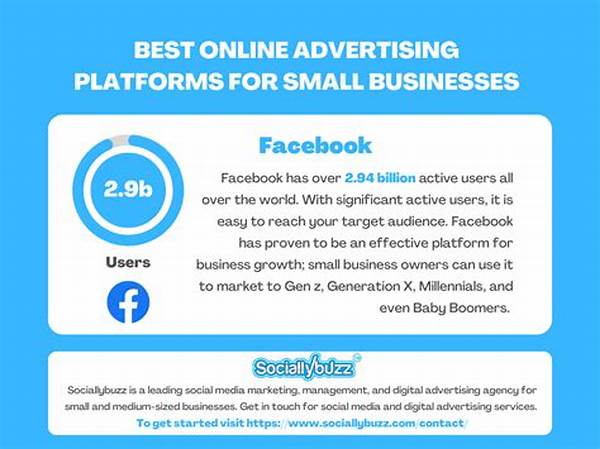
2. Facebook Ads: It’s like having a bullhorn in a bustling market. Target your ads based on demographics, behaviors, and interests, making it super-slick for engagement.
3. Instagram Ads: Visual appeal all the way! Perfect for capturing the aesthetics-loving crowd. This powerhouse is integrated with Facebook Ads, giving you a dual platform punch.
4. LinkedIn Ads: The go-to for B2B marketing. Engage professionals on a credible platform and create networks like a boss.
5. Twitter Ads: Join the conversation, or better yet, start one. With real-time engagement options, it’s a playground for creators and innovators.
Benefits of Using Online Advertising Platforms for Business Marketing
Online advertising platforms for business marketing are the trusty sidekicks of modern businesses. First off, they are incredibly cost-effective. Instead of shelling out a fortune on billboard space, you can target your spending based on audience interaction. Another win is real-time analytics. You’ll know right away if your strategy is killing it or if it’s time to pivot. These platforms also give you the power to target specific demographics, ensuring your ads aren’t just seen but also appreciated by those who matter. Plus, the versatility in ad formats—videos, carousels, stories—you name it, keeps things fresh and engaging. So in essence, using these platforms is like having a Swiss Army knife for your marketing needs.
Challenges of Online Advertising Platforms
But hey, not everything is rainbows and unicorns. Using online advertising platforms for business marketing comes with its own set of dramas. The digital landscape is fiercely competitive, making visibility a constant battle. Ad fatigue is real, folks get tired of seeing the same stuff, which means your content needs to stay fresh. Plus, privacy concerns are always a thing; users are more conscious about what personal info they share. Algorithms are constantly changing, too, so you better be on your toes. And then there’s ad-block technology that’s like a bouncer at an exclusive club, keeping your ads out. So while the opportunities are endless, navigating this terrain requires agility and smarts.
Tips for Choosing the Right Online Advertising Platform
So you’re ready to harness the power of online advertising platforms for business marketing, but which one to choose? First up, know your audience. Each platform comes with its unique user base; align this with your target demographic for the best match. Assess your budget – some platforms offer more bang for your buck, particularly if they cater to niche audiences. Think about your content type; visual-heavy platforms are great for product showcases. It’s also crucial to test and analyze performance regularly. Use data to pivot strategies as needed. Finally, remember that integration is key. Consider using multiple platforms for a cohesive strategy that covers all your bases.
Future Trends in Online Advertising
The future of online advertising platforms for business marketing is looking lit with trends that promise to innovate further. Expect more AI integration, offering tailored user experiences that resonate on a personal level. Voice search is growing, so optimizing for voice-activated devices could soon be crucial. Sustainability and ethical marketing are gaining traction—as more users crave responsible businesses, transparency will be essential. Augmented Reality (AR) advertising is on the rise too, merging the physical with the digital for an immersive experience. Lastly, watch out for the increased use of shoppable posts on social media, making it easier than ever for consumers to buy on the fly. The future is a rich tapestry of tech and creativity that’ll redefine how brands connect with audiences.
Wrapping It Up: Why Online Advertising Platforms Matter
In the grand scheme of marketing, online advertising platforms for business marketing aren’t just tools—they’re game-changers. They’ve redefined how brands connect with their audiences, offering precision targeting, real-time analytics, and a plethora of engagement options. While challenges like competition and privacy concerns persist, the benefits far outweigh them. By staying adaptable and informed, businesses can leverage these platforms to skyrocket their success. As technology continues to evolve, so will the strategies brands employ. The secret sauce lies in staying ahead of the curve, continuously testing waters, and innovating to meet the ever-changing demands of the digital consumer.

